Lawnmower Daily Maintenance After Each Operation
Timely overall cleaning is the first step of daily upkeep after finishing every construction or landscaping task. You need to fully sweep away grass clippings, soil, branches, sundries and residual waste attached to the cutting blades, chassis frame and radiator surface of your Self-Propelled lawn mowers and Grass-Cut mower. If debris accumulates for a long time, it will block heat dissipation and accelerate metal rust and component wear, so keeping the whole machine clean greatly prolongs its service life.
Carry out regular inspection on the wear degree of cutting blades. Once the blade edge becomes blunt, polish it promptly with professional grinding tools; if there are cracks, gaps or excessive abrasion that cannot be repaired, replace the brand-new blades immediately to guarantee cutting efficiency.
For fuel maintenance, always choose high-standard clean fuel with stable quality. Do not use inferior fuel mixed with impurities. If the machine will be idle for several days, avoid leaving fuel sitting in the pipeline for too long, which may cause sediment buildup and block the oil supply circuit, resulting in startup failure during next use.
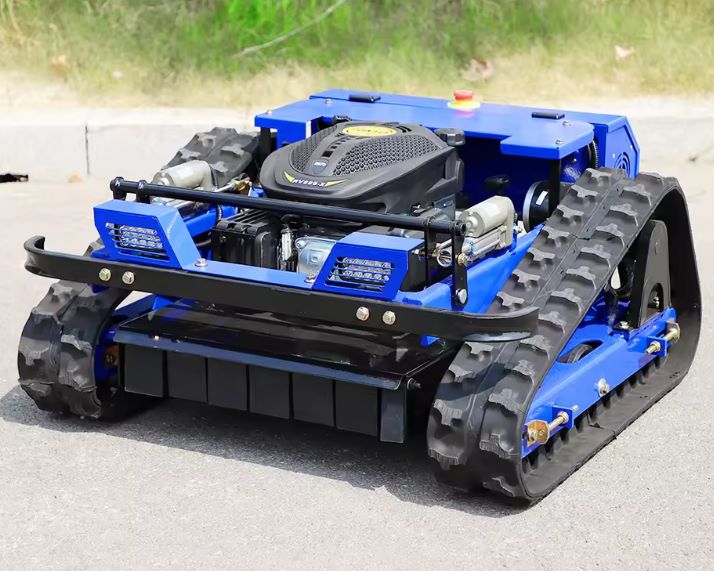
Pay attention to the maintenance of filter components. Dismantle, clean or directly replace the air filter and fuel filter regularly. A clogged air filter will lead to insufficient air intake and weak power, while a dirty fuel filter cannot block impurities, which will wear down the fuel pump and engine cylinders. Keeping filters unobstructed ensures smooth air and fuel circulation.Take apart and check the spark plug regularly during seasonal maintenance. Clear carbon deposits accumulated on the electrode surface with dedicated cleaning tools. If the spark plug has aging, corrosion or ignition failure, replace it with a matching new one to ensure smooth ignition every time you start the machine.Do full lubrication maintenance for all transmission systems. Evenly apply anti-rust lubricating oil or grease on bearings, drive chains and connecting transmission pieces to reduce metal friction noise, prevent chain rust and jamming, and make the machine run more smoothly during operation.
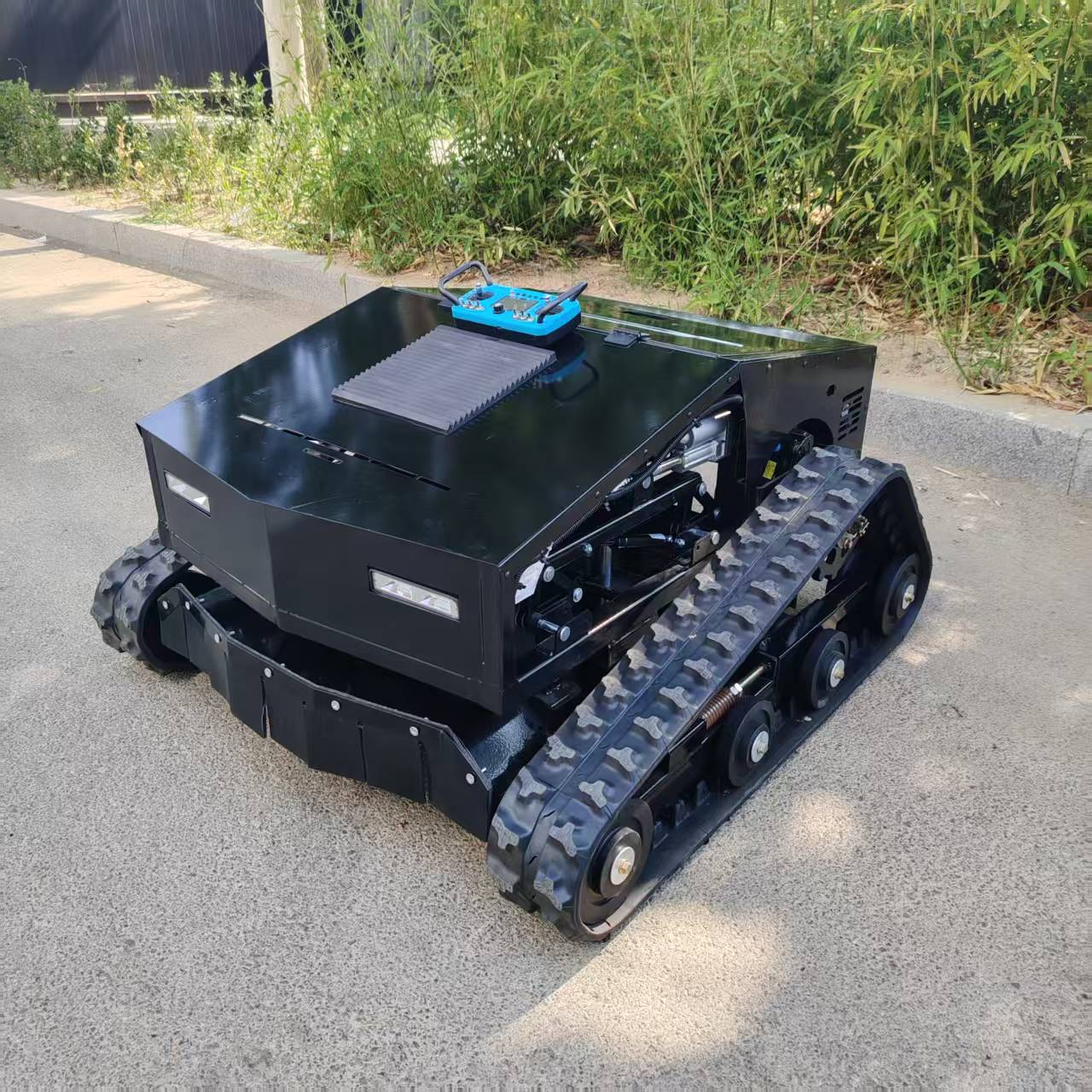
Solutions to Common Equipment Malfunctions
1. Difficult startup:
First check whether the fuel stored in the tank is deteriorated or contains impurities, then take out the spark plug to check for carbon buildup or damage. Replace unqualified fuel and faulty spark plugs to fix startup issues.
2. Insufficient working power:
Dismantle and clean or replace blocked air and fuel filters; meanwhile check the sharpness of cutting blades. Dull blades and clogged filters are the two main causes of power drop.
3. Abnormal shaking and vibration during operation:
Turn off the engine and stop using the machine right away. Check whether the cutting blades are deformed, loose or unbalanced, and tighten all connecting bolts, fasteners and fixed accessories to eliminate vibration risks.
Scientific and regular maintenance is the most critical guarantee to maintain stable performance, reduce breakdown frequency and extend the overall service life of your equipment. If you encounter unclear operating steps or hard-to-solve faults during daily and seasonal maintenance, please do not disassemble parts blindly. You can get in touch with our professional after-sales service team at any time, and we will provide you with one-on-one targeted professional technical guidance and support.